Proper storage of Unsaturated Polyester Resin is essential for consistent processing, reliable curing, and reduced material waste. A resin that performs well when delivered may behave differently after prolonged heat exposure, contamination, or storage in an inadequately sealed container.
The basic rule is straightforward: follow the specific grade’s technical data sheet, keep the material within its recommended storage conditions, and prevent contamination. However, there is no single shelf life or temperature range that applies to every polyester resin formulation.
This guide explains how to manage resin shelf life, control storage temperature, handle opened containers, and check material before production. It focuses on liquid resin as supplied, before the user adds a curing initiator—not mixed resin awaiting cure.
Why Storage Conditions Matter
Unsaturated Polyester Resin is a reactive material rather than an indefinitely stable liquid. Its formulation is designed to balance storage stability with the curing behavior required during manufacturing.
Poor storage can affect viscosity, gel time, and processing consistency. These changes may create difficulties with pumping, mixing, fiber wet-out, or production scheduling—even before obvious gel formation occurs.
Many commercial formulations contain styrene, making vapor control and ignition prevention important handling considerations. Always review the product’s Safety Data Sheet (SDS) alongside its Technical Data Sheet (TDS).
The TDS explains product-specific storage and processing requirements. The SDS addresses hazards, incompatible materials, exposure controls, emergency measures, and disposal. Neither should be replaced by a general storage checklist.
What Is the Shelf Life of Unsaturated Polyester Resin?
Shelf life is the supplier’s stated storage period under defined conditions. It is not simply the time before the resin becomes completely solid.
A material may remain liquid while no longer meeting its required processing specifications. Conversely, a batch reaching its stated shelf-life limit requires assessment rather than an automatic assumption that its condition is acceptable or unacceptable.
Huake’s product information illustrates why grade-specific instructions matter:
| Huake Resin Grade | Published Storage Temperature | Published Shelf Life | Additional Storage Guidance |
| HS-1102E | Below 25°C | 3 months | Keep sealed and away from ignition and heat sources |
| HS-243PTF | Below 25°C | 6 months | Store in a dry, well-ventilated place; protect against moisture and monomer loss |
For example, Huake HS-1102E Unsaturated Polyester Resinhas a published shelf life of three months below 25°C. Its product instructions also recommend gentle stirring before use to redistribute thixotropic material that may settle during storage.
These examples are not a universal three-to-six-month guarantee. Confirm the latest instructions for the exact grade, packaging, and batch supplied.
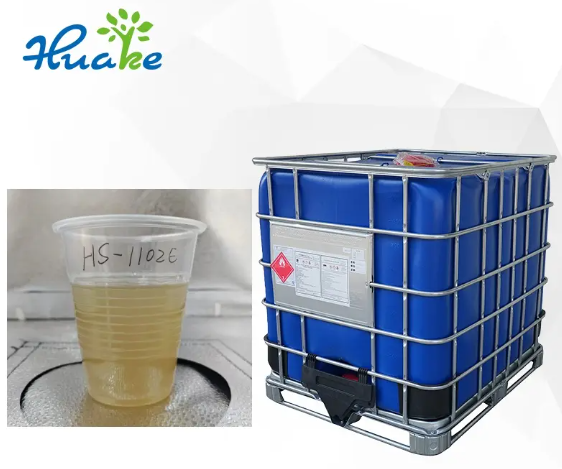
Image 1: HS-1102E resin and packaging shown on Huake’s official product page. The sample cup is for product display, not long-term storage.
When Does the Shelf-Life Clock Start?
Do not assume that shelf life begins when a shipment reaches your warehouse. Confirm the reference date with the supplier, and record the manufacture date, batch number, and expiry or retest date shown in the documentation.
Transport and distributor storage can consume part of the available period. For imported material, purchasing decisions should account for transit, customs clearance, warehouse time, and expected production demand.
Opening a container does not restart the clock. Ask the supplier whether additional restrictions apply after opening.
What Temperature Should Polyester Resin Be Stored At?
Use the temperature limits specified for the selected product. For the two Huake grades above, the published storage instruction is below 25°C.
However, “below 25°C” should not be interpreted as permission to refrigerate or freeze the resin. Where the minimum storage temperature is unclear, obtain supplier guidance before introducing cold storage.
Protect containers from direct sunlight and nearby heat sources. A warehouse average can conceal warmer locations near external walls, loading doors, roofing, or process equipment.
A practical monitoring plan should:
Measure temperature where resin is actually stored.
Capture daily peaks, not only occasional readings.
Record temperature excursions and their duration.
Assign responsibility for reviewing alerts and affected batches.
If the storage limit is exceeded, place the batch on hold and contact the supplier with its exposure history. Do not automatically extend the expiry date after returning it to cooler conditions.
Storage Temperature Is Not Processing Temperature
Storage and application requirements serve different purposes.
Huake’s HS-243PTF tooling Unsaturated Polyester Resin is specified for storage below 25°C, with a six-month shelf life under the recommended conditions. Separately, its application guidance recommends an ambient working temperature of 18–25°C.
Before production, condition resin using the supplier-approved procedure. Avoid improvised direct heating, open flames, or uncontrolled heaters. Record the material temperature when evaluating viscosity or gel time so that results can be compared meaningfully.
Keep Containers Closed and Protect Against Contamination
Retain resin in its original approved packaging whenever practical. Keep closures secure when the material is not being dispensed, and protect openings from water, dust, cleaning residues, and other chemicals.
Huake’s storage instructions emphasize sealing containers to reduce moisture entry and monomer evaporation. Leaving a drum open for convenience undermines that protection.
For routine dispensing:
Confirm the product label and batch number.
Check that the container and closure are undamaged.
Use clean, compatible, dedicated transfer equipment.
Dispense only the quantity needed.
Close the container promptly and record the withdrawal.
Do not pour unused production material back into the original container. Even apparently clean leftovers can introduce contamination or mix material with a different handling history.
Any secondary container should be suitable for the resin and clearly labeled. Follow the site’s approved transfer and container-management procedures.
Handling Guidelines for Daily Production
Good handling practices protect both workers and material consistency.
Provide ventilation appropriate to the SDS and the work being performed, especially during dispensing and mixing. Keep ignition sources away from resin handling areas, and use suitable transfer equipment with the required static-control measures.
Select gloves, eye protection, protective clothing, and any respiratory protection through the SDS and workplace exposure assessment. Odor alone is not a reliable measure of safe exposure.
Prevent contact between stored resin and curing chemicals. Keep organic peroxide initiators and accelerators segregated according to their SDS requirements; never mix them directly.
A pre-accelerated resin is not the same as resin to which the user has already added a curing initiator. Once initiation chemicals are added, the relevant limit becomes the mixture’s working time, not the original resin’s storage life.
Never return initiated resin to stock. Manage reactive leftovers through the approved site procedure.
How to Check Resin Before Use
Review the batch record before opening the container. Confirm that storage conditions were acceptable and that the material is within its approved use period.
Then check the resin against its documented appearance and processing specifications. Potential reasons to place a batch on hold include:
Unexpected skin, lumps, or gel particles
Unexplained changes in consistency
Visible contamination
Abnormal separation
Viscosity or gel-time results outside specification
Appearance alone cannot establish fitness for use. Compare test results using the specified method and temperature.
Some settling may be expected in filled or thixotropic formulations. Follow the grade’s mixing instructions rather than treating all separation as failure—or assuming all separation can be corrected.
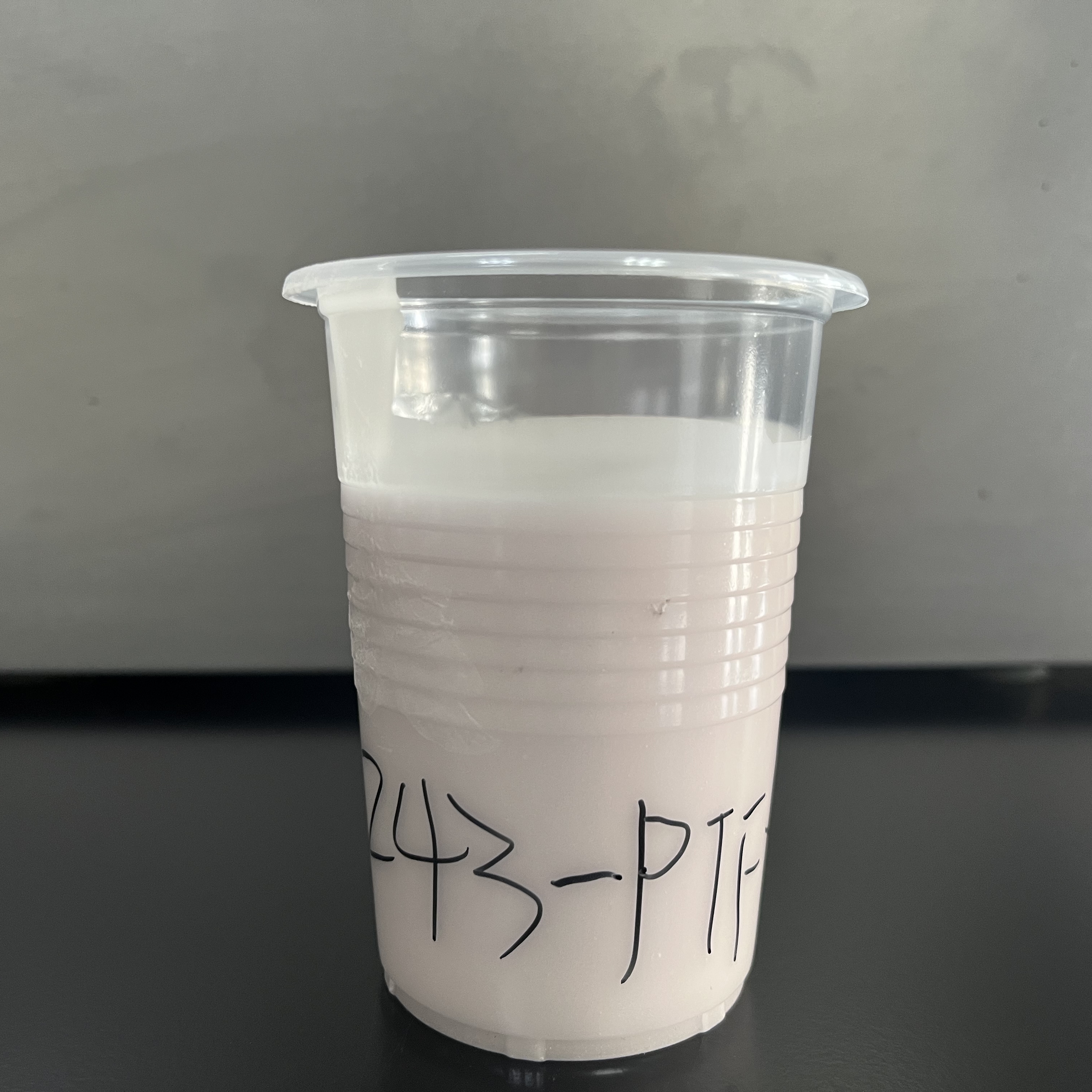
Image 2: HS-243PTF sample from Huake’s official product page. This illustrates the product, not a recommended storage container.
Do not add extra styrene, solvent, inhibitor, or curing agent to “restore” aged resin without written supplier instructions. Such changes can alter both processing behavior and safety.
Manage Stock to Prevent Expiry
Use first-expire, first-out inventory management. Where batches have different remaining shelf lives, dispatching the earliest received material first may not be sufficient.
Maintain a simple record containing:
Resin grade and batch number
Manufacture and receipt dates
Expiry or retest date
Opening date
Storage location and temperature history
Quantity remaining and release status
Keep quarantined material clearly separated from approved stock. Purchase quantities should match realistic consumption, especially where shipping lead times are long or seasonal temperatures make storage control difficult.
Near-expiry material should be reviewed before it enters a production-critical schedule, not discovered when an operator opens the drum.
What to Do With Expired or Abnormal Resin
Stop routine use and refer the batch to quality control and the supplier. Provide the batch identification, storage records, opening history, and any inspection or test results.
Continued use should depend on a documented assessment and authorization, not on the fact that the resin still pours.
If a container is unexpectedly hot, swollen, or otherwise showing signs of an abnormal reaction, keep personnel clear and activate the site emergency procedure. Do not open or move it casually.
Manage spills, waste resin, and contaminated packaging according to the SDS and local requirements. Do not discharge resin into drains or deliberately cure bulk waste as an improvised disposal method.
Frequently Asked Questions
Can unopened Unsaturated Polyester Resin expire?
Yes. Unopened packaging helps prevent contamination and monomer loss, but it does not stop aging. Temperature and elapsed storage time still matter.
Can resin be stored outside?
Only where the supplier’s requirements and the site’s approved storage controls can be maintained. An exposed loading area is not a substitute for suitable storage.
Does cooling reset the shelf life?
No. Cooling does not reverse an unknown storage history or automatically restore material properties. Any revised use period requires supplier-supported assessment.
Can resin be used after its stated shelf life?
Not without review. Quarantine it and seek documented testing and release guidance from the supplier and your quality team.
Conclusion
Reliable Unsaturated Polyester Resin storage depends on three controls: the correct shelf-life information, suitable temperature management, and contamination-free handling.
Use the exact grade’s TDS and SDS, track each batch, keep containers properly closed, and investigate deviations before production. Huake’s differing storage periods for HS-1102E and HS-243PTF demonstrate why a single rule cannot cover every formulation.
When ordering, confirm the remaining shelf life, transport conditions, and storage requirements with Huake so that the resin reaches production within its approved operating window.


