The world of musical instrument manufacturing has witnessed numerous innovations over the years, and one of the most important advancements is the use of advanced resins. These materials not only serve functional roles but also enhance the sound quality and aesthetic appeal of instruments, making them integral to the creation of high-quality musical pieces. From guitars and violins to wind instruments and pianos, advanced resins are playing a pivotal role in shaping both the tonal characteristics and the visual finishes of instruments, ensuring that they stand out in terms of both performance and appearance.
Types of Advanced Resins
Polyurethane Resin
Polyurethane resin is one of the most widely used resins in the music industry, particularly for finishing guitars, basses, and other stringed instruments. This resin is known for its excellent durability and its ability to provide a glossy, smooth finish. Polyurethane resin is tough and resistant to abrasion, making it ideal for the exterior of musical instruments that undergo frequent handling and use. It also helps in maintaining the instrument’s visual appeal, as the resin imparts a bright, shiny surface that not only looks attractive but also provides protection against moisture and dirt. The strength of polyurethane resin also ensures that the instrument retains its aesthetic beauty over the years, making it an essential part of high-end guitar manufacturing.
Epoxy Resin
Epoxy resin is another crucial component used in musical instrument manufacturing, particularly in structural components. It is widely utilized in instruments like pipe wind instruments (e.g., clarinets, flutes, and saxophones) where it is used for repairs and strengthening. Epoxy resins are known for their excellent bonding properties, which help in reinforcing joints and creating a solid, robust instrument structure. Moreover, epoxy resins are highly durable and resistant to environmental factors like moisture and temperature changes, which helps to extend the life of musical instruments.
Acrylic Resin
Acrylic resin is another popular resin used in the music industry, especially for enhancing the sound chambers of various instruments. For example, acrylic resins are often used to form the mouthpieces or finishes of woodwind and brass instruments. Acrylic resin is highly transparent, allowing for intricate designs that do not compromise the instrument’s acoustics. Acrylics are used for creating glossy finishes and unique visual effects, which make instruments visually stunning without compromising sound quality. Additionally, acrylic resins are often used as finishing coats for various parts of stringed instruments, improving both the instrument’s sound and its overall aesthetic.
The Impact of Resin on Sound Quality
Vibration Control
One of the primary roles of resins in musical instruments is optimizing their vibration characteristics. The material used for the body, neck, or casing of an instrument affects how it resonates and amplifies sound. For instance, resins used in the construction of guitars or violins are critical in controlling how the vibrations travel through the instrument, which ultimately influences the sound quality. A resin that is too rigid can result in a dull, lifeless sound, while a resin that’s too soft may dampen the resonance, leading to muted tones. Advanced resins, such as epoxy and polyurethane, are designed to offer the right balance of stiffness and flexibility, ensuring that vibrations travel optimally through the instrument, producing clearer, richer, and more dynamic sound.
Balance of Weight and Strength
Instruments need to strike an ideal balance between weight and strength. The weight of an instrument can affect its resonance and comfort for the musician, while strength determines its durability and overall structural integrity. Resin materials are essential for achieving this balance. For example, a heavy instrument can sound deep and full, but too much weight can make it uncomfortable to play. Conversely, an instrument that is too light might lack the resonance needed for producing a powerful sound. By carefully choosing the right resins, manufacturers can create instruments that offer both strength and lightweight properties, ensuring they are easy to handle while still producing superior sound quality.
Resins in Aesthetic Finishing
Surface Gloss and Protection
Resins are widely used in the aesthetic finishing of musical instruments, providing both a protective layer and an enhanced glossy surface. The smooth, shiny finish that polyurethane resin imparts is not only visually pleasing but also protects the instrument from environmental wear, such as scratches, moisture, and dust. The glossy surface enhances the overall visual appeal of the instrument, giving it a luxurious and professional look. Whether on a guitar, a piano, or a violin, the resin finish helps to preserve the instrument’s visual beauty, making it attractive to potential buyers and musicians alike.
Color and Visual Appeal
One of the most striking advantages of advanced resins in musical instrument manufacturing is their ability to offer a wide range of color options. Acrylic resins, in particular, allow for the creation of vibrant hues, transparent finishes, and even intricate designs, which can be tailored to the artist’s or brand’s specifications. Instruments like electric guitars and drum kits, where style is just as important as sound, benefit significantly from resins that offer endless possibilities for customization. These materials can be used to create unique color schemes, patterns, and even artistic designs that enhance the instrument's appeal. This has become an important feature for both collectors and musicians, as it allows them to express their individuality through their instruments.
Advancements in Resin Technology
High-Transparency Resins
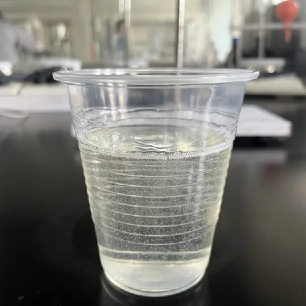
One of the most exciting advancements in resin technology is the development of high-transparency resins. These resins are ideal for creating finishes that preserve the clarity and sound quality of musical instruments while offering an aesthetically appealing, glossy surface. High-transparency resins are particularly important for instruments like violins, where the visual clarity of the finish is just as important as the tonal quality. By using transparent resins, manufacturers can ensure that the sound chamber and wood of the instrument remain visible, enhancing its overall visual appeal without interfering with sound quality.
Heat-Resistant Resins
Another significant advancement in resin technology is the development of heat-resistant resins. Many musical instruments, especially those used in live performances, are exposed to extreme environmental conditions, including changes in temperature and humidity. Heat-resistant resins help instruments maintain their structural integrity and tonal quality despite these fluctuations. For example, electric guitars, which are often exposed to heat from stage lights, benefit from heat-resistant resins that prevent warping or cracking of the body or neck. These resins ensure that the instrument remains in top condition, providing optimal sound quality for the musician.
Conclusion
Advanced resins are integral to the production of high-quality musical instruments, influencing both sound quality and aesthetic appeal. These materials are essential for crafting instruments like guitars, violins, wind instruments, and pianos, enhancing their performance and durability while maintaining their visual beauty. As resin technology continues to evolve, musicians and manufacturers can expect even more innovative solutions that enhance both the functionality and appearance of these instruments.
The role of resins in the world of musical instruments cannot be overstated. Offering a unique combination of strength, durability, and visual appeal, resins are crucial in creating instruments that deliver exceptional sound and stunning aesthetics. Whether you're a musician, collector, or manufacturer, understanding the significance of resins in instrument production can help you make more informed decisions for design, repairs, and customizations.
For more information on high-performance resins for musical instruments, Changzhou Huake Polymer Co., Ltd. is your trusted partner. With their expertise in advanced resin solutions, they can help you achieve the perfect balance of sound and aesthetics for your instruments. Visit their website today or contact them directly to discover how their resin products can enhance your musical creations.


