Introduction
In the harsh marine environment, choosing the right materials is crucial. How can shipbuilders ensure durability and performance? General-purpose resins, known for their water resistance and mechanical strength, offer a solution. These resins are vital in preventing water damage and enhancing structural integrity.
In this article, we'll explore the benefits of general-purpose resins in marine applications.

General Purpose Resins: Key Characteristics and Benefits
What are General Purpose Resins?
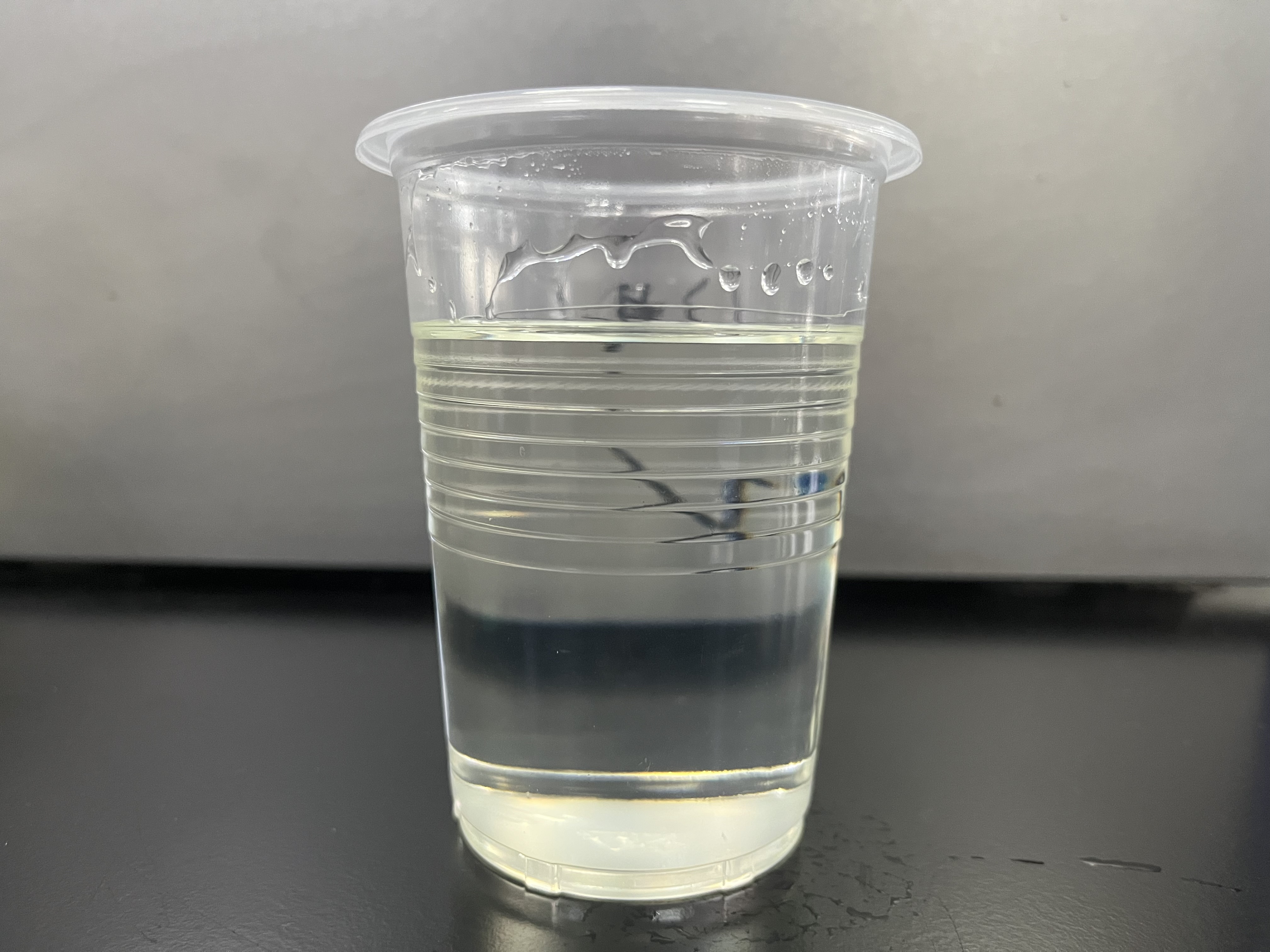
General-purpose resins are synthetic materials used in a variety of industries, particularly in marine applications, for bonding, coating, and laminating. These resins are typically made from polyester, vinyl ester, or epoxy compounds. Each type offers specific benefits depending on the application requirements, but all provide essential characteristics such as water resistance, mechanical strength, and durability.
These resins are often combined with reinforcing materials like fiberglass to create composite structures that are both lightweight and robust. Their ability to resist water penetration makes them ideal for use in environments like marine vessels, where exposure to moisture and saltwater is constant.
Exceptional Water Resistance
Water resistance is one of the most important qualities of general-purpose resins, particularly in marine environments. The resins are formulated to repel moisture, preventing it from seeping into the materials they bond with. This feature is critical for preventing damage from water ingress, which can lead to rotting, rust, or degradation of the structure.
In marine applications, the resin’s ability to resist saltwater exposure is crucial. Saltwater can be highly corrosive, especially when combined with UV rays and extreme temperatures. By providing a waterproof barrier, general-purpose resins protect vessels, docks, and other structures from the harsh conditions of the sea.
Benefit | Description |
Water Resistance | Prevents water ingress and corrosion |
Saltwater Exposure | Protects against corrosive saltwater |
Mechanical Strength and Durability
The mechanical properties of general-purpose resins ensure that they can withstand the constant stress of marine environments. These resins offer excellent tensile strength, meaning they can endure the forces exerted on them by waves, impacts, and constant motion.
For shipbuilders, this is particularly important. Resins must not only bond materials effectively but also withstand the long-term mechanical stress caused by heavy cargo, turbulent waters, and frequent exposure to physical impacts. Their durability helps extend the lifespan of marine structures, reducing the frequency of repairs and maintenance.
Benefit | Description |
Mechanical Strength | Withstands stress from waves and impacts |
Durability | Extends lifespan, reduces repairs |
Applications of General Purpose Resins in Shipbuilding and Repairs
Resin Use in Hull and Structural Construction
General-purpose resins are commonly used in the construction and repair of ship hulls and other structural components. These resins bond fiberglass sheets to create a lightweight, strong, and durable composite material. This composite material is ideal for hull construction, as it offers excellent strength while reducing the overall weight of the vessel.
Fiberglass-reinforced resins are also used in decks, interiors, and other parts of the ship, where flexibility and resistance to wear are crucial. By applying resin coatings, shipbuilders can ensure that the vessels remain strong, lightweight, and resistant to the elements.
Enhancing Corrosion Resistance and Waterproofing in Vessels
One of the most significant benefits of general-purpose resins in shipbuilding is their ability to prevent corrosion. When exposed to saltwater and other corrosive elements, metals can begin to rust and deteriorate over time. However, when resins are used as a coating or part of composite materials, they act as a protective barrier that shields the underlying materials from moisture and salt.
In addition to corrosion resistance, these resins also improve the waterproofing of vessels. By providing a solid, impermeable layer, they prevent water from entering the hull or other critical components, ensuring the vessel’s integrity even during prolonged exposure to water.
Case Studies: Successful Resin Applications in Ship Repairs
A good example of resin use in ship repairs is the restoration of aging boats and ships. Marine resins have been used to repair hulls damaged by rot, impact, or corrosion. In one instance, a fishing vessel that had suffered extensive hull damage was successfully restored by applying epoxy resin over fiberglass sheets. This application not only repaired the damage but also enhanced the vessel’s resistance to future wear and corrosion.
Another example can be seen in the repair of yacht decks. Vinyl ester resins were used to coat the deck, providing additional waterproofing and resistance to UV damage. This application ensured that the deck maintained its strength and appearance, even after years of exposure to saltwater and sun.
Application | Benefit |
Hull & Structure | Lightweight and durable |
Corrosion Resistance | Prevents rust and deterioration |
Waterproofing | Ensures vessel integrity |
Ship Repair | Repairs damage, enhances strength |
Deck Repair | Waterproofs and resists UV |
Types of Resins and Application Comparisons
Polyester Resins: Widely Used and Cost-Effective
Polyester resins are the most commonly used type in marine applications due to their affordability and ease of use. They provide adequate strength and water resistance, making them suitable for boat building and repairs. Polyester resins bond well with fiberglass, offering a reliable solution for creating durable marine structures.
However, polyester resins are less flexible than other types, which can lead to cracking over time, especially in structures that experience a lot of movement. Despite this, they remain a popular choice for less demanding applications due to their lower cost.
Vinyl Ester Resins: Superior Water Resistance and Flexibility
Vinyl ester resins are a step up from polyester resins in terms of water resistance and flexibility. They offer superior protection against osmotic blistering, which is a common issue in boats that are submerged in water for long periods. Vinyl ester resins are ideal for hull repairs and applications where enhanced water resistance is required.
These resins also provide better chemical resistance than polyester resins, making them a preferred choice for environments exposed to harsh chemicals or saltwater. Although they are more expensive than polyester resins, their increased durability justifies the cost for more demanding marine applications.
Epoxy Resins: The Strongest and Most Durable Option
Epoxy resins are the gold standard when it comes to marine resins. They provide exceptional mechanical strength, chemical resistance, and water impermeability. Epoxy resins are ideal for structural repairs, laminating, and coating applications, particularly in areas that face high stress or exposure to the elements.
Although epoxy resins are the most expensive of the three types, their superior durability and versatility make them the best choice for critical repairs and high-performance applications in the marine industry.
Resin Type | Key Benefit |
Polyester Resins | Cost-effective, good strength |
Vinyl Ester Resins | Superior water resistance and flexibility |
Epoxy Resins | Exceptional strength, durability |
Environmental and Economic Benefits of General Purpose Resins
Environmental Impact: Reducing Carbon Emissions and Enhancing Longevity
The shift towards using general-purpose resins in marine construction is also beneficial from an environmental perspective. Resins, especially those used in composite materials, replace heavier metals like steel, significantly reducing the weight of ships and boats. This reduction in weight leads to decreased fuel consumption and, consequently, lower CO₂ emissions during the vessel’s lifetime.
Additionally, resins’ superior resistance to wear and water damage enhances the lifespan of marine structures, reducing the need for frequent repairs or replacements. This contributes to a more sustainable and eco-friendly approach to shipbuilding.
Economic Advantages: Long-Term Cost Savings
While general-purpose resins may have a higher upfront cost, their durability and longevity translate to significant long-term savings. The reduced need for repairs, maintenance, and replacements makes resins a cost-effective solution for shipbuilders and vessel owners.
By investing in high-quality resins, businesses can avoid the expensive process of replacing corroded or damaged structural components. Over time, the reduced maintenance costs make resin-based ships and repairs more economically viable.
Advantage | Benefit |
Upfront Cost | Higher cost, but long-term savings |
Long-Term Savings | Minimizes replacement costs |
Supporting Global Sustainability Goals
General-purpose resins are an essential part of the drive towards more sustainable practices in the marine industry. By reducing the reliance on traditional materials like steel and promoting the use of composite materials, resins contribute to the broader goal of reducing environmental impacts in shipbuilding.
The use of resins also supports the global shift towards more energy-efficient, longer-lasting, and eco-friendly vessels, aligning with sustainability goals set by international organizations and governments.
Future Trends and Technological Advancements
Emerging Resin Technologies
As the marine industry continues to evolve, so do the materials used in shipbuilding. Researchers are constantly working on developing new types of resins that offer even greater water resistance, mechanical strength, and environmental benefits. Innovations like bio-based resins, which are derived from renewable resources, are gaining traction and may become a key part of the future of marine construction.
These emerging technologies promise to provide even better performance, while also addressing environmental concerns, making the next generation of resins more sustainable than ever before.
Smart Ships and the Evolving Role of Resins
The rise of smart ships, which are equipped with advanced sensors and automated systems, also presents new opportunities for resin applications. As these ships become more sophisticated, there will be an increasing demand for resins that can withstand not just physical stress but also technological requirements, such as the integration of sensors and communication devices.
Resins will continue to evolve to meet these demands, providing solutions that are not only durable but also capable of supporting the advanced technologies used in smart ships.
Conclusion
General-purpose resins are essential in marine and shipbuilding industries. Their water resistance, mechanical strength, and versatility make them perfect for applications like hull construction and repairs. As technology advances, the demand for these durable, sustainable materials will only increase. For shipbuilders, selecting the right resin ensures long-lasting, efficient vessels. Changzhou Huake Polymer Co., Ltd. offers high-quality resins, providing excellent value with products designed to enhance performance and durability in marine applications.
FAQ
Q: What are general-purpose resins and why are they important for marine applications?
A: General-purpose resins are synthetic materials known for their water resistance and mechanical strength. They are crucial in marine applications for constructing and repairing vessels, providing durability and protection against harsh marine environments.
Q: How do general-purpose resins prevent water damage in shipbuilding?
A: General-purpose resins create a waterproof barrier, effectively preventing water from penetrating the materials, which protects vessels from water damage, corrosion, and structural degradation in marine environments.
Q: What are the advantages of using general-purpose resins for ship repairs?
A: General-purpose resins offer superior water resistance, mechanical strength, and flexibility, making them ideal for ship repairs. They ensure long-lasting durability and prevent future damage, even in challenging marine conditions.
Q: How do general-purpose resins compare to other types of marine resins?
A: While other resins like polyester and epoxy offer specific benefits, general-purpose resins strike a balance between cost, versatility, and performance, making them a popular choice for a wide range of shipbuilding and repair applications.
Q: Are general-purpose resins cost-effective for marine projects?
A: Yes, general-purpose resins provide excellent value due to their long-lasting durability and performance, reducing the need for frequent repairs and maintenance in marine projects.


